
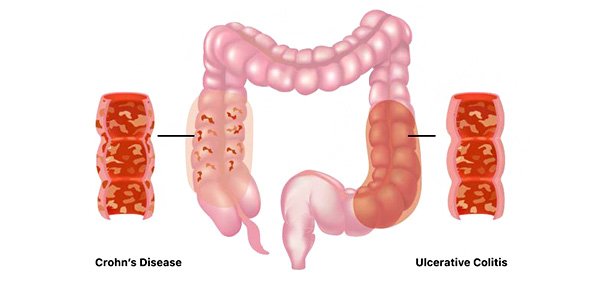
Ulcerative colitis is a chronic inflammatory bowel disease characterized by inflammation and ulceration of the colon and rectum. Treatment for ulcerative colitis aims to induce and maintain remission, alleviate symptoms, and prevent complications associated with the disease.
Procedure Overview:
Medical Management: Medical management of ulcerative colitis involves various medications aimed at reducing inflammation, controlling symptoms, and maintaining remission. These medications may include aminosalicylates, corticosteroids, immunomodulators, and biologic agents. Aminosalicylates help reduce inflammation in the colon and are often used as first-line therapy for mild to moderate disease. Corticosteroids may be prescribed for short-term use during disease flares to control inflammation. Immunomodulators such as azathioprine or methotrexate are used to suppress the immune system and maintain remission in patients who do not respond to other treatments. Biologic agents, such as anti-TNF drugs like infliximab or adalimumab, target specific proteins involved in the inflammatory process and are used in moderate to severe cases of ulcerative colitis.
Surgical Options: Surgical intervention may be necessary for patients with severe or refractory ulcerative colitis, complications such as toxic megacolon, or those who do not respond to medical therapy. Surgical options include colectomy (removal of the colon) with ileal pouch-anal anastomosis (IPAA), total proctocolectomy with ileostomy, or subtotal colectomy with ileostomy. These procedures aim to remove the diseased colon and rectum, thereby alleviating symptoms and improving quality of life in patients who do not respond to medical treatment.
Benefits of Ulcerative Colitis Treatment:
Hospital Care Following Ulcerative Colitis Treatment:
Hospital care following ulcerative colitis treatment involves close monitoring of patients to assess their response to treatment, manage any potential complications, and provide support during the recovery process. This care typically includes regular assessments of vital signs, hydration status, and symptoms to ensure that patients are stable and progressing as expected.
Postoperative Care may include:
Conclusion:
Effective management of ulcerative colitis involves a multidisciplinary approach tailored to the individual patient’s needs. By combining medical therapy, surgical intervention when necessary, and comprehensive postoperative care, patients can achieve remission, alleviate symptoms, and improve their quality of life. However, close monitoring, adherence to treatment regimens, and ongoing follow-up are essential for ensuring long-term success and preventing disease recurrence or complications.

